 Case Studies
Date posted: August 14, 2026 A phone upgrade is not really about handsets. How a representative North Carolina municipality mapped department call flows, planned E911 across multiple buildings, built a continuity plan before the first number moved, and cut over in phases instead of all at once.
Read more →
 How To Guide
Date posted: August 13, 2026 A phone number port should not force your office to stop answering calls. A practical cutover plan: carrier record checks, tested call flows, a call-forwarding safety net, the right cutover window, and what to do if a call still slips through.
Read more →
 How To Guide
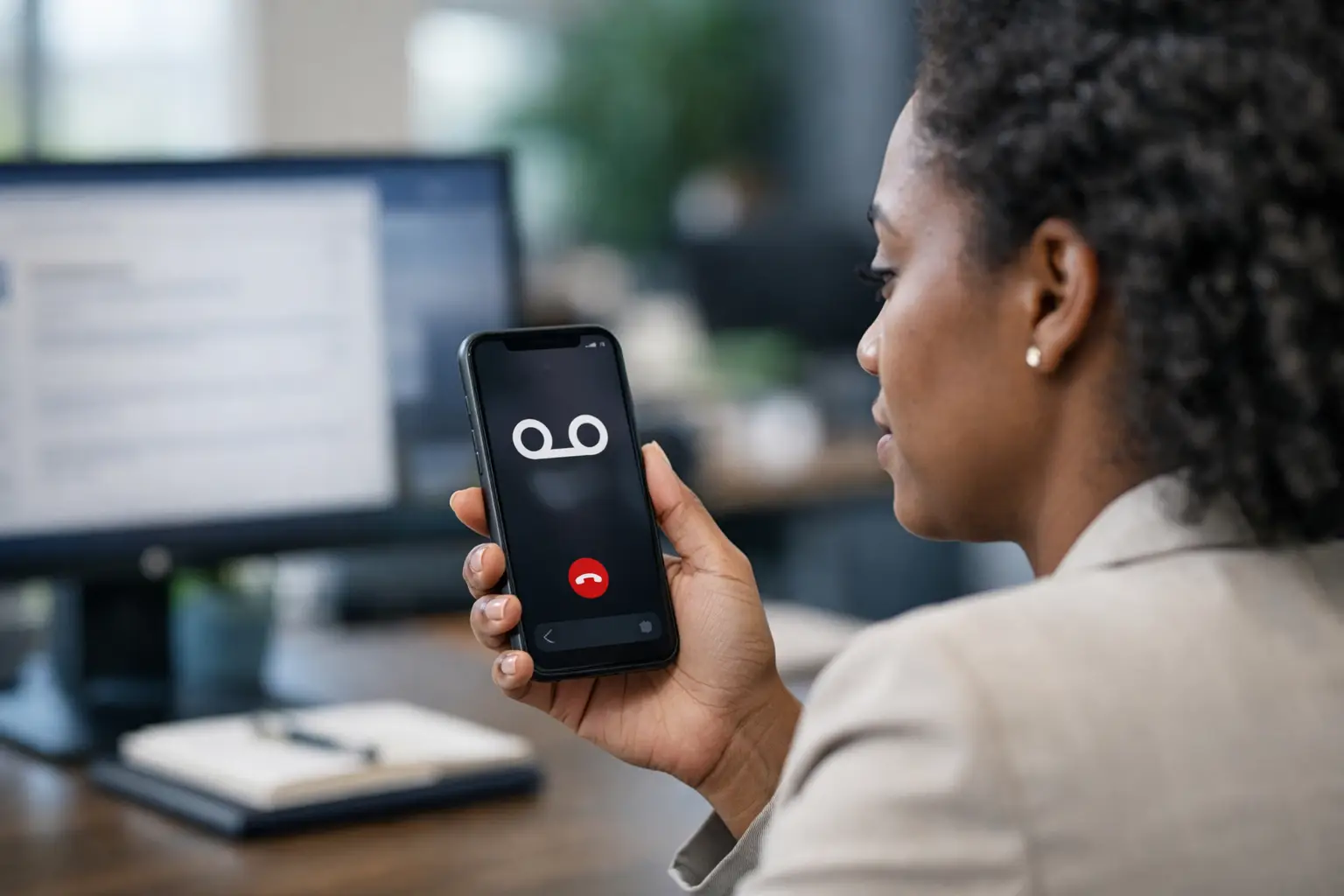
Date posted: August 12, 2026 Your customer says they called twice and hit voicemail. Your employee swears the phone never rang. Both are telling the truth. How to find where the call stopped: check the scope first, read the ring count like a diagnostic, then work through DND, forwarding, queues, schedules, and the caller's own phone.
Read more →
 How To Guide
Date posted: August 12, 2026 A customer calling at 6:15 p.m. does not care that your desk closed at 5:00. How to build after-hours routing that works: scheduled auto attendants, on-call ring groups instead of one employee's cell phone, fallback paths, emergency separation, owned voicemail, and testing like a caller would.
Read more →
 News
News
Date posted: August 11, 2026 A prospective client calls while the attorney is in court and the receptionist is helping someone at the desk. What happens next decides whether they become a client. The phone features law firms actually need: intake-first routing, softphones that protect personal numbers, governed recording and texting, tested failover, and accurate E911.
Read more →
 News
News
Date posted: August 10, 2026 When the old phone equipment fails or an office moves, which way do you go? An honest comparison of VoIP versus traditional PBX systems covering cost structure, outage reliability, mobility, administration, E911 planning, and the copper retirement clock ticking under every analog system.
Read more →
 Industries
Date posted: August 9, 2026 A resident with a water leak needs the right person, fast. Compare the five communication tools property managers rely on: hosted VoIP with after-hours routing, business texting on shared numbers, property management software, team messaging, and call reporting.
Read more →
 News
News
Date posted: August 8, 2026 Carriers are retiring analog copper lines across North Carolina, and notice can be as short as 90 days. What is still riding on copper in your building, and how to plan the move on your schedule.
Read more →
 How-To Guides
Date posted: August 7, 2026 What is number porting process for a business phone system? Learn the steps, timing, and details that help you keep calls moving without a gap.
Read more →